BLACK WEALTH & TECHNOLOGY
If Black professionals are disproportionately supporting companies like Tesla without considering broader implications, it’s worth asking whether that loyalty is uplifting the community as a whole — or merely reinforcing systems that prioritize profit over people. For a generation that has fought for economic inclusion and generational wealth, conscious capitalism must go beyond brand appeal and environmental optics.
Being environmentally conscious should also mean being socially and economically strategic. For Black wealth to truly flourish, and for racial reparations to move from concept to reality; our dollars must be invested with intention, and accountability in mind.
Why does Tesla have young black professionals in a chokehold? We might have the new age to thank for people of color having access to executive leadership positions, or salaries that exceed 6 figures. However, the affluent mindsets that surround that community have likely influenced the minds of the Black wealthy; through the marker of being environmentally conscious.
This is not inherently a bad thing, prioritizing sustainability and innovation is vital — but it raises an important question: at what cost, and to whose benefit?
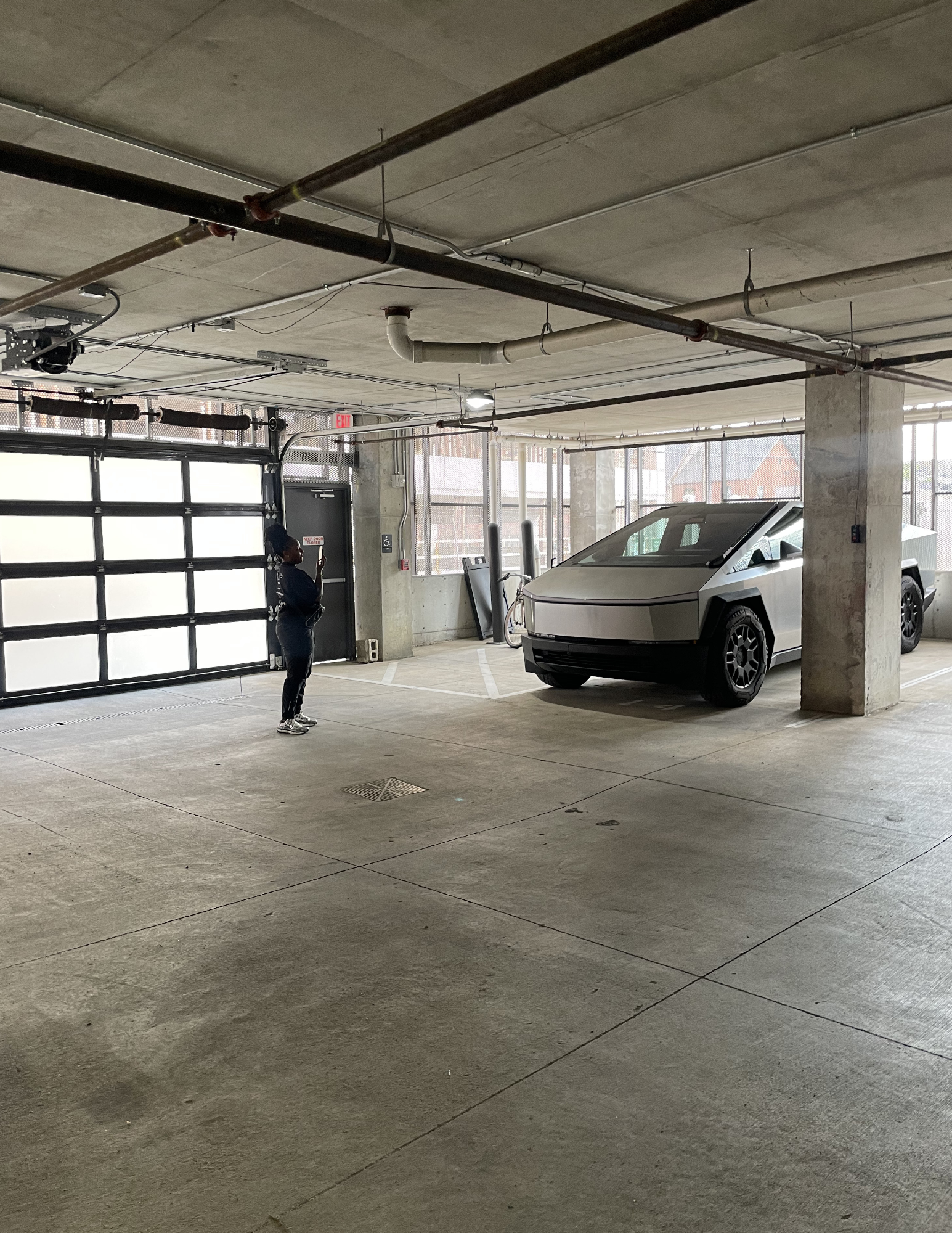
Performative solidarity has also become present in advocating for Black people in leadership, making companies top competitors for the black dollar. Pressure on wealthy individuals to constantly stay ahead of trends, guiding them into a cycle of buying the latest gadgets whether they need them or not.
Moreover, the Black wealthy are often seen as 'outsiders' in predominantly white spaces of elite consumption. But, like many complex problems, the solution may lie in education. The Black elite should be more intentional in researching the companies they make significant purchases from, ensuring that their investment supports ethical practices that benefit not only the world, but the Black community.
They should intentionally seek out companies who are Black and Brown owned or operated to create the new status quo; building trust within the Black community can help shift purchasing power away from corrupt entities and toward the Black elite.
Reparations include black people being able to be wealthy, thus being able to access newer gadgets and resources as do their white counterparts. The question stands of how can the Black wealthy enjoy the fruits of their labor and ceiling-break into their tax bracket while battling extremism, and overconsumption?
For the Black elite, the challenge is twofold. They are caught between a long history of disenfranchisement and a system that, while offering them wealth, still constrains their ability to enjoy it fully.