INTERSECTIONAL WARFARE
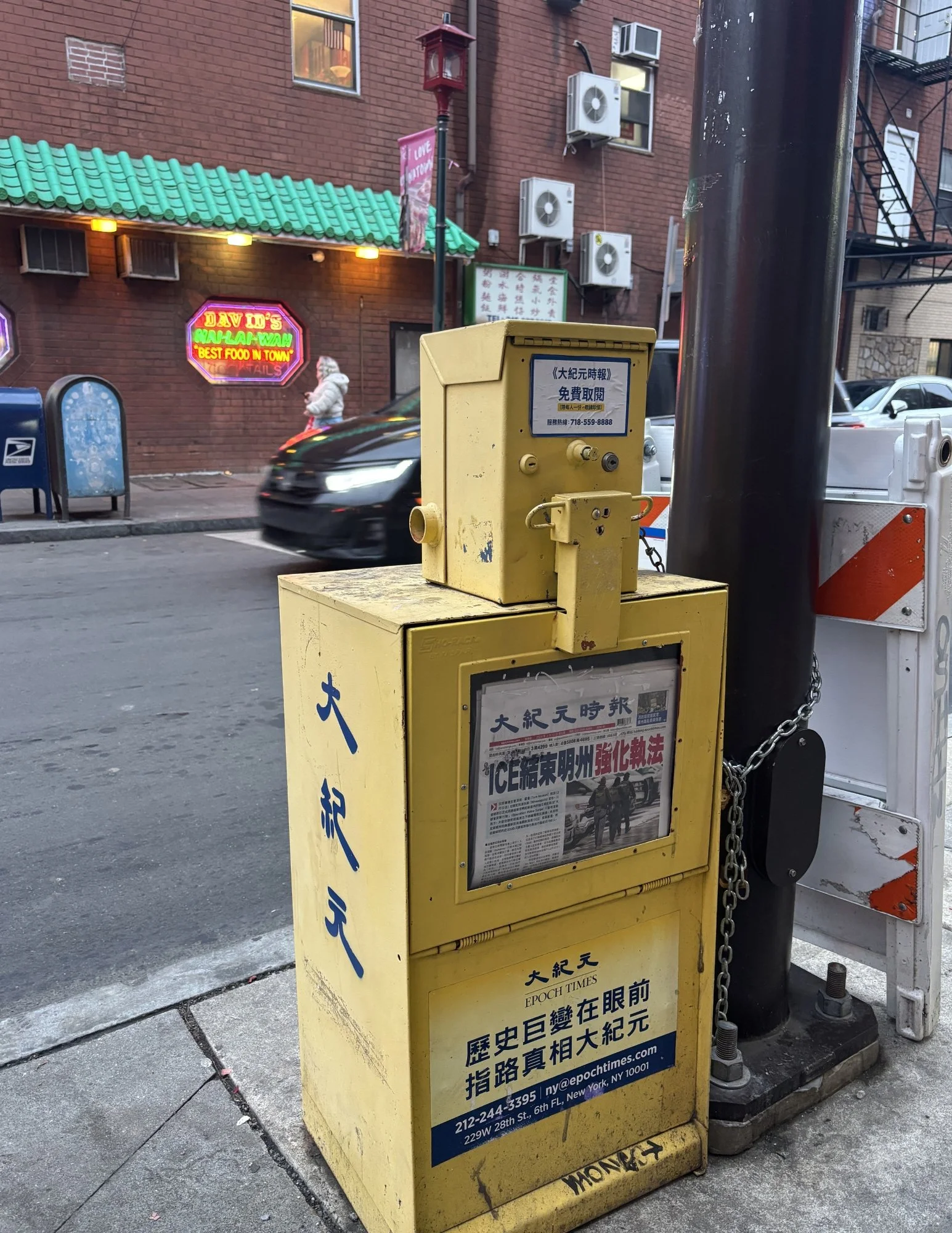
Along the streets of Asia Town near Center City Philadelphia, a local newsstand advertises their latest issue with the cover capturing the terror ICE is inflicting upon many communities. A literal culture shock to see how no matter what shade of “not-white” you are, you are in danger of being taken away. The hands of dictatorship are affecting communities of color whether our respective cultures are ready to admit it or not.
Often times Black families will dismiss illegal removal of immigrants as they feel Black people will be “last” to go. No matter the order, we are all on the list. The value of seeing the impact cultural despair has on us as a collective is higher than the result of removing communities due to their status or background.
Before and shortly after Black people were free from emancipation, they would be asked by white neighbors and law enforcement to stop and present their “papers”, otherwise known as their identification to prove they were a free Black person or allowed to be in public on behalf of their owner. The very Black action that built this country is what neighboring cultures need for guidance and understanding on the structure of corruption in the United States.
The oppression that bound Black people to the land and labor of others is still very much alive in the way society treats immigrant communities today. These invasive actions are a continuation of the same mechanisms of control and surveillance, regardless of whether one is a descendant of enslaved Africans or an immigrant seeking better opportunities. The past is deeply woven into the present, and the line between who gets targeted , and when is often far thinner than many realize.
Collective awareness and a shared resistance to these systems are essential to a successful future, rather than the fragmented or compartmentalized approaches that sometimes occur. Fighting for one group’s freedom inherently strengthens the fight for all. We can no longer eat our favorite foods if they are all pushed back to their origin. We cannot visit our homelands if we are kept from them by the hands of dictatative politicians.
Moreover, we do not deserve to share delicacies and traditions with parallel cultures if we do not have the human decency to stand up, advocate, protect, and appreciate them when it is their turn to be affected by the discriminatory practices of the world.
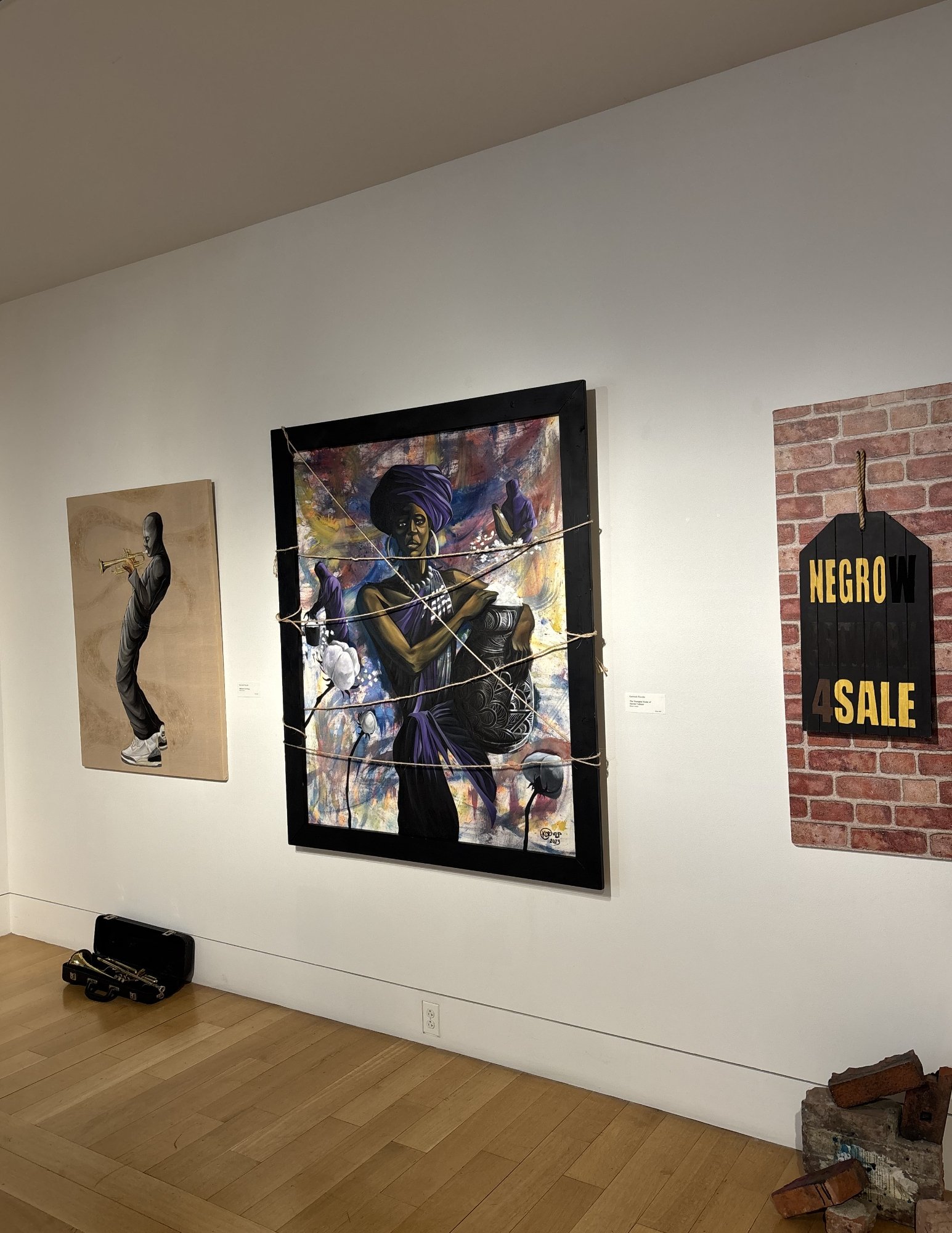
To truly dismantle these systems, we must recognize that none of us is truly free until all of us are free. We cannot afford to dismiss the pain and oppression of our neighbors, regardless of their background or immigration status. The history of Black people in this country is a blueprint for resistance—one that teaches us the value of unity, perseverance, and standing in solidarity with those who face systemic violence.
Solidarity doesn’t mean ignoring your own struggles; it means recognizing that when one group is oppressed, it creates a ripple effect that impacts us all. By standing with other marginalized communities, you amplify the collective power needed to challenge the system.